
Innovation Playlists
Browse our curated collections of proven frameworks to solve your challenges.
Proven Playbooks
Battle-tested guides used by leading innovators - each framework a roadmap to real-world results.
Move Faster
Accelerate your team with actionable frameworks and tools. Build, Measure, Learn faster for breakthrough outcomes.
Ideas into Impact
Move from inspiration to execution. Turn bold ideas into measurable business value.
Custom Playlists
Create your own playlists to personalise your journey.

Lean Startup
Lean Startup is your guide to smarter, faster product development. Test your ideas quickly by creating simple prototypes, getting real customer feedback, and learning what works - instead of spending months on planning.

Lean Enterprise
Lean transformation is a systematic methodology for organizations to improve their processes and achieve continuous improvement, focusing on eliminating waste and maximizing value for customers. It involves a fundamental shift in mindset and operational strategies, aiming to create more efficient and streamlined processes.

Growth Hacking
Growth Hacking is a data-driven approach to rapid experimentation across marketing channels, product development, and engineering to identify the most efficient ways to grow a business. Popularised by Sean Ellis and used by startups like Dropbox, Airbnb, and Facebook, it focuses on finding scalable, repeatable strategies for user acquisition, activation, retention, referral, and revenue — the AARRR (Pirate Metrics) funnel.
Design Thinking
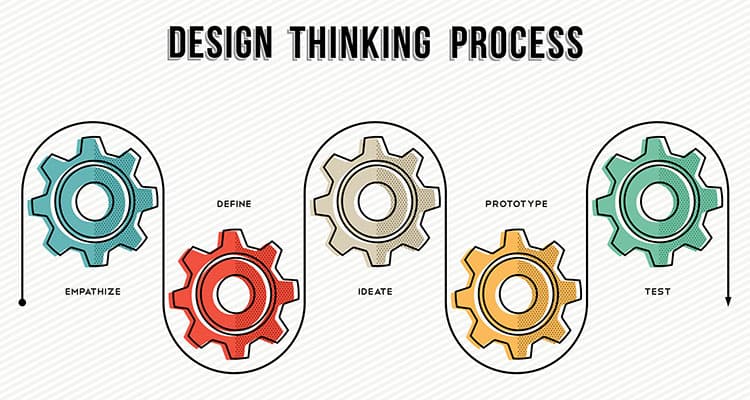
Design Thinking is a human-centred approach to creative problem-solving. By focusing on empathy, brainstorming ideas, testing prototypes, and learning from feedback, you develop solutions that work in the real world.

Agile
Agile is a flexible, team-focused approach to building software that puts people first. It breaks work into short, manageable cycles called sprints - helping teams adapt quickly, get frequent feedback, and deliver working features faster.
Product Development
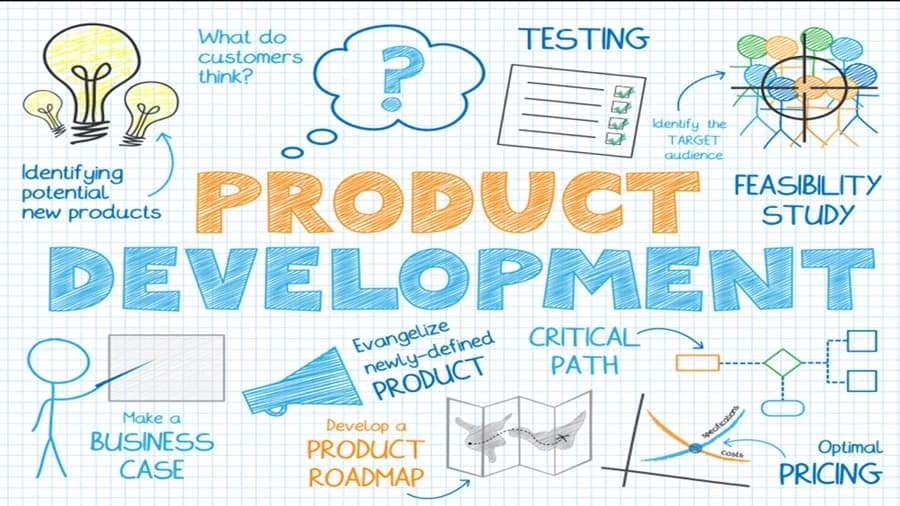
Ready to turn your great ideas into real products? Product development is your journey from "what if?" to "wow!" It's the exciting process of bringing something new to life, whether you're creating a brand-new product or making an existing one even better. By focusing on what customers really want, building something that works, and making sure it connects with your audience, you can create products that people will love.
Stage Gate
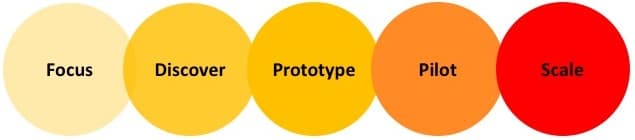
Want a smarter way to bring your ideas to life? Meet Stage Gate - your friendly guide to innovation. Think of it as a journey with helpful checkpoints along the way. At each "gate," you get to pause, evaluate your progress, and make sure you're on the right track. This practical approach helps teams focus their energy on the most promising ideas, manage risks effectively, and bring great innovations to life faster.

Open Innovation
Open innovation is a strategy where organizations utilize both internal and external ideas, technologies, and resources to drive innovation, rather than relying solely on their own internal capabilities. It involves collaboration and knowledge sharing beyond the company's boundaries to accelerate growth, develop new products, and solve complex problems.

Understanding Data
Data is everywhere - but knowing how to collect, interpret, and act on it is what sets great decisions apart. The Understanding Data playlist brings together proven methods for gathering insights, analysing patterns, and making evidence-based decisions that move your organisation forward. Whether you are new to data or looking to sharpen your analytical thinking, these methods give you the confidence to turn numbers into action.

Service Design
Service Design is about designing end-to-end services that deliver great experiences for users and real value for organisations. It looks at the entire journey - from first touchpoint to ongoing relationship.

Fundraising
Want to raise the funds your mission deserves? The Fundraising playlist is your practical guide to securing support from donors, investors, and grant-makers. From crafting a compelling case for support to building lasting relationships with funders, these methods help you communicate your value clearly, inspire confidence, and turn one-time supporters into long-term partners.